Open Knowledge Conference 2013
- Forum

16–18 September 2013 @ Centre International de Conférences Genève (CICG), Rue de Varembé 15, 1202 Genève
Organised by Opendata.ch, Open Knowledge Foundation
More than 900 participants from over 45 countries met at the CICG in Geneva from 16 to 18 September 2013 for the Open Knowledge Conference, which Opendata.ch organised together with the Open Knowledge Foundation. On the opening day the Federal Administration launched its OGD pilot portal opendata.admin.ch; a few days later the National Council approved the Graf-Litscher motion. Preserved here: the programme booklet, the press coverage and ten talk recordings from the web archive.
Documentation and recordings
- SRF4 Digital, 20.09.2013: Open Data – Die gläserne Verwaltung (Podcast)
- Livestream-Kanal der OKCon 2013 (Webarchiv, Videos nicht mehr abspielbar)
- OKCon 2013 – Programmheft
- OKCon 2013 – Medienmitteilung vom 21.03.2013
- Opendata.ch, 09.2013: OKCon 2013 – Some Swiss highlights
- Opendata.ch, Medienarchiv Stand Oktober 2013 (Webarchiv)
- Tages-Anzeiger, 21.09.2013: «Es ist nicht alles Überwachung, NSA und Datenkrake» – Samstagsgespräch mit Rufus Pollock
- SonntagsZeitung, 22.09.2013: Wie aus offenen Daten Geld wird
- NZZ, 17.09.2013: Ein World Wide Web mit Behördendaten
- TagesWoche, 18.09.2013: Warum das neue Open-Data-Portal der Schweiz Journalisten in die Pflicht nimmt (Webarchiv)
- 24 heures, 18.09.2013: Les données publiques, nouveau filon économique
- Netzwoche, 20.09.2013: Die Herausforderungen von Open Data (Webarchiv)
- inside-it.ch, 24.09.2013: Nationalrat will mehr «Open Government Data» (Webarchiv)
- Reflex Magazine, 10.2013: 3 réponses sur l’open data
- Daily Maverick, 20.09.2013: Jay Naidoo – Technology can wipe out the cancer of corruption
- Open Knowledge Foundation Blog, 18.09.2013: New partnership to bring open data to developing countries
- Parlamentarische Gruppe Digitale Nachhaltigkeit, 16.09.2013: Historischer Tag für Open Government Data in der Schweiz (Webarchiv)
- Parlamentarische Gruppe Digitale Nachhaltigkeit, 09.2013: Zweidrittelsmehrheit für ersten parlamentarischen Vorstoss zu Open Government Data im Nationalrat (Webarchiv)
- Parlamentarische Gruppe Digitale Nachhaltigkeit, 24.09.2013: Open Government Data im Ständerat – Mitteparteien in der Verantwortung (Webarchiv)
- Schweizerisches Bundesarchiv, 09.2013: Pilotportal opendata.admin.ch (Webarchiv)
- opendata.admin.ch am Lancierungstag, 16.09.2013 (Webarchiv)
- Fotos der Open Knowledge Foundation auf Flickr (Album OKCon 2013)
- Flickr-Gruppe OKCon 2013
- Website der Konferenz: okcon.org
Programme
Monday, 16 September
- 10:00–17:00
Room 8Hackathon – From Code to Sense: Bringing the Law to the Public
Law Mining Hackathon: open legal texts, methods for reducing the complexity of understanding legal texts, open source methods to visualise legal texts, and new ways of bridging the gap between legal code and people.
- 14:00–17:00
HackSpaceDemo and Hack Space
Open space for demos and hacks: work after a workshop, implement an idea from a keynote, write code, finish slides — no formal schedule, an unconference roster at the entrance.
 Opendata.chFacilitators
- 14:00–15:00
Room 13Panel – Challenges of Open Data
While opening up datasets provides great opportunities, Open Data also raises various kinds of challenges to its stakeholders. For example transparency and accountability might not always be in the interest of everybody. Also the mere design and execution of Open Data projects generates organizational, legal, financial, or technical problems. And once released the sustainability of the initiatives by constant publishing of updated data etc. needs to be assured.
On this panel discussion international experts from different kind of backgrounds and organizations talk about their Open Data programs, their challenges during preparation and implementation, and how they have addressed the problems. The experts bring in experience from governmental programs, civil society and non-for-profit initiatives, and journalism projects.
 Matthias StürmerModerator – Open Source Business Alliance / Opendata.ch
 Anahi Ayala IacucciSenior Innovation Advisor, Internews Network
 Luigi ReggiPolicy Analyst, Italian Ministry of Economic Development
 Irina TisacovaOpen Government and Open Data Coordinator, e-Government Center, Moldova
 Marcus DappOpen Knowledge Foundation Coordinator, Co-founder and board member of Open Knowledge Foundation Deutschland
- 14:00–15:00
Room 6Short talks – Open Government Data around the World
A session with short and sharp statements from pioneers, experts and activists from around the world on the state-of-play of Open Government Data from their countries. These updates will highlight stories of success and failure and reveal current issues and trends from the global open data community. Each participant will have 2-3 minutes and 1 slide. These updates will be followed by a short panel discussion with an all star cast of open data gurus who will identify trends and issues on the fly and comment on them.
 Daniel DietrichModerator – Open Knowledge Foundation Germany
 Sandor LedererK-Monitor Watchdog for Public Funds, Hungary
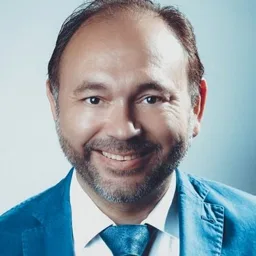 Samih AbidOpenGovTn, Tunisia
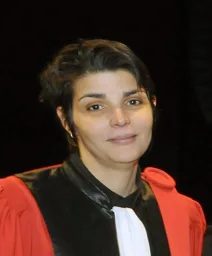 Inès HammamiOpenGovTn, Tunisia
 Waltraut RitterKnowledge Dialogues, Hong Kong
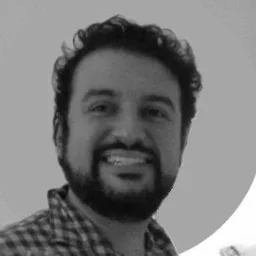 Everton Zanella AlvarengaOpen Knowledge Foundation, BrazilRegards CitoyensFranceOleg NaumenkoRussia
 Pia WaughAustralian Government
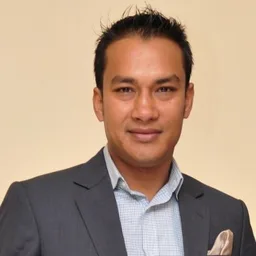 Bibhusan Bistaaidinfo, Nepal
- 14:00–17:00
Room 19Workshop – Open Data Census
Join us in making the Open Data Census better!
In this workshop we will give the Open Data Census a big push. At the end of October a fully updated and extended version of the Open Data Census will be announced.
The OKCon workshop is a great opportunity for you to ensure that not only your country is represented right in the Open Data Census, but also that the Open Data Census is a useful instrument to you in your open data work.
Join us to improve the Census data on your country, extend the number of countries covered, or find the correct information for an incomplete country overview, and discuss how the Open Data Census can be made an even more valuable instrument for your open data work.Can’t make it to the workshop in Geneva? Join us remotely! That way you can still contribute and participate. We will publish information on how to participate remotely in time.
Want to hear more about what the Open Data Census is, how it currently works and where we could take it next, before diving into the workshop? Join us for the online session in the week before OKCon, so that you are fully up to speed! Details on the online intro session will be published soon.
- 14:00–17:00
- 14:00–17:00
Room 11Workshop – Interoperability Standards for Public Good Data
The recent proliferation of open data sets for public good has not been matched by sufficient efforts to facilitate interoperability between relevant data. Whether due to political incentives of data producers and managers, or purely technical obstacles, the inability to quickly merge and mesh data sets surrounding specific issues is a point of frustration for many advocates and researchers. This session is dedicated to testing different approaches for merging and meshing data sets in different issue areas, or “data clusters”, to see what kinds of outputs can be quickly achieved and new projects initiated, specific to different types of data or data users, and how useful or lacking existing standards for interoperability might be in different issue areas.
Pressing issues, resources and opportunities for merging national and international data sets will be identified collaboratively, and then applied to 3-5 use cases, to produce advocacy materials, draft interoperability standards or plans for further action. The session will provide 4-5 prepared “data clusters” for use cases, with data sets on national issues such as resource extraction, aid data or internet access and routing, as well as a data cluster on international transparency and accountability initiatives. Use cases may also focus on national or international issues and data sets surfaced during the session.
The first half of the session will be devoted to identifying issues and approaches. The second half will be a collaborative hacking session on different use cases in small groups.
This session is not just for technologists, it will be driven by people of all different skill sets, who want to see the complementary use of data sets to impact or better understand specific issues. Each small group will have a co-facilitator with the hard skill necessary to tackle thorny issues of interoperability.
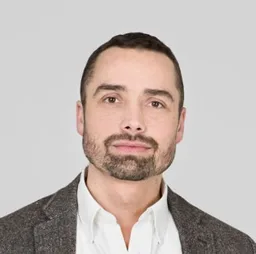 Christopher WilsonThe Engine Room
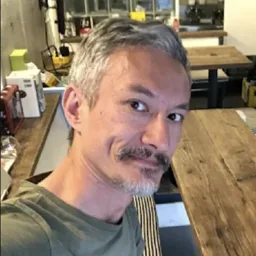 Jun Matsushitainformation innovation lab (iilab)
- 14:00–17:00
Room 23Data visualisation workshop – How to turn data into stories
For the year 2013 the editorial office of the Neue Zürcher Zeitung has set itself the target of establishing the standard in the field of data-driven journalism in Switzerland and to furthermore gain attention on an international level.
To be able to approach this ambitious goal in a sustainable and profitable way, it is not enough to simply distribute job titles and descriptions to employees. What is required is a fundamental change in the work of a publisher. The understanding concerning the contents, the tools, the working process will be developed in collaboration with the Interactive Things, a design studio focused on information visualization. Consequentially, the editorial environment will be reshaped. These changes will be facilitated over the course of a series of experiments, which span across the complete spectrum of data-driven journalism.
To kickstart the collaboration between Neue Zürcher Zeitung and Interactive Things, Benjamin and his team conducted a workshop about how to work with data, how to gain the first insights quickly, and how to advance prototypes into more sophisticated visualizations. In return, the journalists conducted a workshop, where all involved designers and developers learned how to identify the right stories to tell and how to construct them in an engaging way.
Now, halfway into the collaboration, Sylke Gruhnwald, data-driven reporter at Neue Zürcher Zeitung and Benjamin Wiederkehr, director of Interactive Things, will share insights about daily challenges and opportunities from the collaboration between journalists, designers, and developers.
- 14:00–17:00
Room 5Workshop – Digital Social Innovation in Europe: crowdmapping actors and networks
Emerging findings from a study on digital social innovation in Europe, commissioned by the European Commission (DG Connect) and run by Nesta with Waag Society, ESADE, IRI and Future Everything.
14:00 The potential in digital social innovation
15:00 Who are the digital social innovators?
16:00 Supporting and growing digital social innovation in Europe, what needs to change?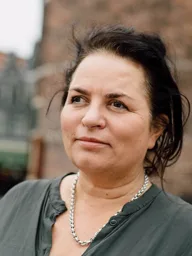 Marleen StikkerChair – Waag Society
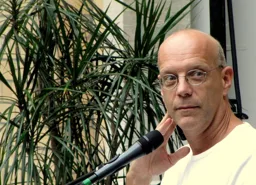 Geert LovinkInstitute of Network Cultures
 Juha HuuskonenOpen Knowledge Finland / Pixelache Festival
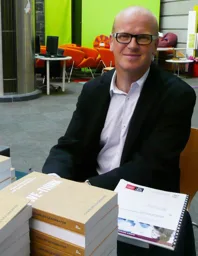 Charlie LeadbeaterNominet Trust
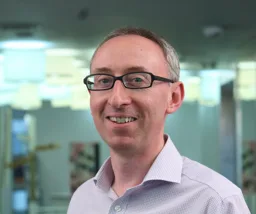 Jon KingsburyChair – Nesta
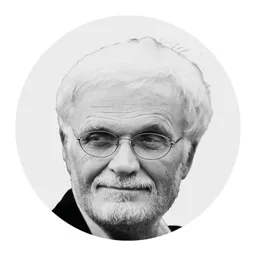 Ezio ManziniDESIS Network
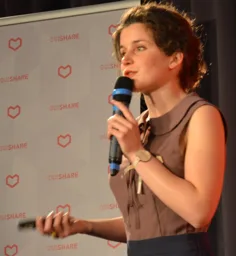 Flore BerlingenOuiShare
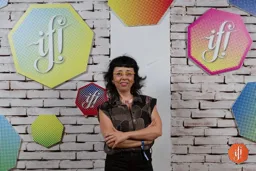 Zoe RomanoArduino
 Francesca BriaChair – Nesta
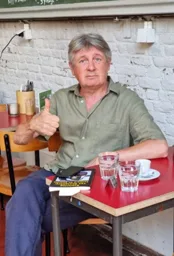 Rob van Kranenburgbricolabs / Internet of Things Council
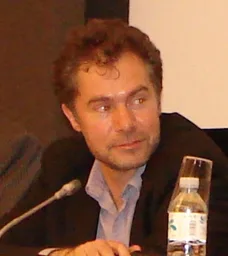 Daniel KaplanNext-Generation Internet Foundation
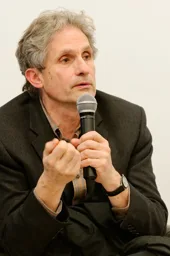 Philippe AigrainSopinspace
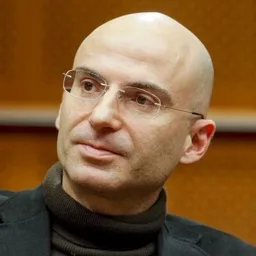 Fabrizio SestiniEuropean Commission, DG INFSO
- 14:00–17:00
Room 7Workshop – Frictions. Collaborative creation of knowledge vs. practices in trade and commerce: the example of Open Hardware
Knowledge creation is today, in the twenty-first century, a collaborative and ubiquitous enterprise.
Today’s technologies are complex and require the collaboration of many to produce machines that include both digital and physical components more commonly designated as software and hardware.
The distinction between digital and physical does not map smoothly into the distinction between software and hardware, and this has consequences for a world of trade and commerce that distinguishes between software, hardware, services, and goods.Peter Troxler (Rotterdam University of Applied Sciences) will elaborate on the shift to lateral, networked structures in various fields (electronics, design, manufacturing, services) and the friction between these structures and traditional ways of protecting intellectual advantage.
Javier Serrano (CERN) will introduce CERN’s open hardware license, the reasons why CERN decided to develop that open hardware license, how it is implemented and used in a day-to-day context and what the the benefit of open hardware is to science and research.
Dannie Jost (World Trade Institute) will discuss one consequence of this conversion and collaborative nature of knowledge creation, the emergence of open source methodologies, in the management of intellectual assets.
- 15:30–17:00
Room 13Short talks – Open Government Data: New Territories
Talks:
– Economy 2.0: Towards a Self-Regulating, Open, Participatory Market Society (Dirk Helbing)
– Big, open and personal (Javier Ruiz)
– Serious Issues need Serious Data: Build the triangle! (Ton Zijlstra)
– #SaveBagega (Oludotun Babayemi)
– How do we engage with Government Agencies and help them adopt Evidence Based Policy Decisions (Sridhar Pabbisetty)
– Yes CKAN! The next generation of open data management (Irina Bolychevsky)
– The New Business as Usual (Paul Stone) Giorgio PaulettoModerator – Founding Board Member, Opendata.ch
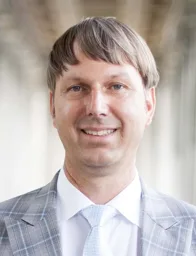 Dirk HelbingETH Zurich
 Javier RuizOpen Rights Group
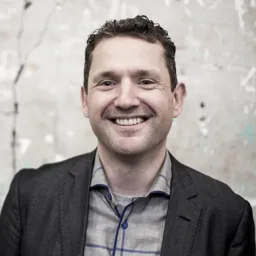 Ton ZijlstraIndependent Consultant
 Oludotun BabayemiFollow the Money / Cloneshouse Nigeria
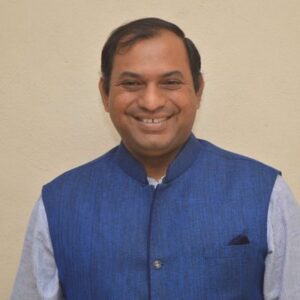 Sridhar PabbisettyOpen Governance India
 Irina BolychevskyOpen Knowledge Foundation
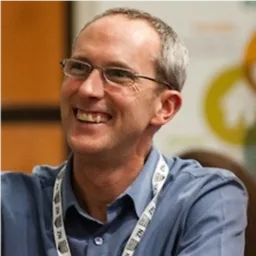 Paul StoneMinistry for Culture and Heritage, New Zealand
- 15:30–17:00
Room 6Talks – Spotlight on Switzerland
Talks:
– Welcome message (Sandrine Salerno)
– Access to Government Data (Matthias Brüllmann)
– OGD @ the city of Zurich (Michael Grüebler)
– Getting journalists ready for the data challenge (Alexandra Stark)
– Open Meteorological Data (Christian Häberli)
– Usage & users of geo.admin.ch: the open access to geodata in Switzerland (David Oesch)
– Open Linked Data at the Swiss Federal Statistical Office (Adrian Gschwend)
– Beyond open data (Stephan Sigrist)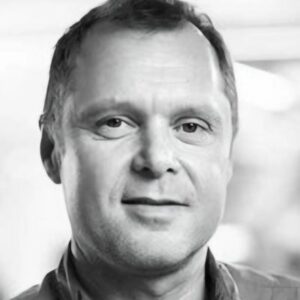 Barnaby SkinnerModerator – SonntagsZeitung / Opendata.ch Board Member
 Sandrine SalernoMayor of the City of Geneva
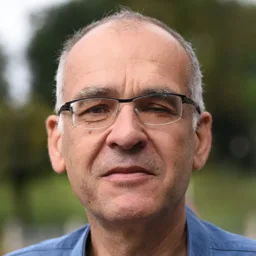 Matthias BrüllmannSchweizerische Bundeskanzlei
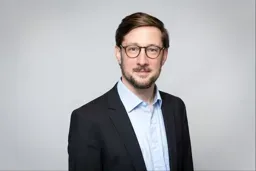 Michael GrüeblerStatistik Stadt Zürich
 Alexandra StarkMAZ – Die Schweizer Journalistenschule
 Christian HäberliMeteoSwiss
 David Oeschswisstopo
 Adrian GschwendBern University of Applied Sciences (BFH)
 Stephan SigristW.I.R.E.
- 17:15–18:15
- 17:15–18:45
Room 20Workshop – Connecting Open Resource Flows for Development
With International Aid Transparency Initiative (IATI), Extractive Industries Transparency Initiative (EITI) coming on stream and increasing amounts of open data in other areas including contracts, budgets and spending we have an unprecedented opportunity to connect data to build a coherent and (more) complete picture of flows of money and resources in developing countries (especially resource rich ones).
This workshop is a chance to bring together several different communities to share ideas and challenges. - 17:30–18:30
Main StageLaunch ceremony – Swiss Open Government Data pilot portal
Welcome message and presentation of the portal project, launch of the Swiss Open Government Data pilot portal, data demo, and a talk on the future and potential of open data.
- 18:30–20:00
Drinks and apéritifs (bar area, CICG)








Tuesday, 17 September
- 09:00–09:15
- 09:00–20:00
HackSpaceDemo and Hack Space
Open space for demos and hacks: work after a workshop, implement an idea from a keynote, write code, finish slides — no formal schedule, an unconference roster at the entrance.
Opendata.chFacilitators - 09:00–20:00
Exhibition SpaceExhibition – LinkedUp
Tools and demos that analyse or integrate open web data for educational purposes.
- 09:00–18:45
Room 4Exhibition – Urban Data Challenge
A 3-city transportation data challenge between the cities of Geneva, Zurich and San Francisco. Co-organised with swissnex San Francisco.
- 09:15–09:45
- 09:45–11:15
Main StageTalks – From Government to Governance
Talks:
– Open Data – not just good, but better (Chris Taggart)
– Big, Small, Smart – what data does an enlightened society need? (Andreas Kellerhals)
– Data: Opened for Action (Kimberly Roberson)
– Exploring the Demand of Open Financial Data (Samuel Lee / Felipe Estefan) - 11:30–13:15
Room 14Workshop – Open Data Toolkits and Assessment Tools
Several institutions are providing technical assistance to developing countries’ open data initiatives. The workshop will present some technical assistance tools and the emerging lessons from implementation, and discuss options for their improvement.
 Christian VillumModerator – Open Knowledge Foundation
 Amparo BallivianLead Economist, The World Bank
 Meghan CookCenter for Technology in Government, University at Albany
 Jose Maria AlonsoWorld Wide Web Foundation (remote)
 Tim DaviesWorld Wide Web Foundation (remote)
 Barbara UbaldiOECDDaniel DietrichUNDESA / Open Knowledge FoundationTon ZijlstraOpen Data Census
- 11:30–13:15
Room 6Workshop – Code for Europe: a showcase of open source solutions to civic/city challenges
Lessons learned through the first pilot year of Code for Europe; summit for the 2013/2014 fellowship launch.
City of Amsterdam, Economic DepartmentHost - 11:45–13:15
Main StageTalks – Technology and tools for commercially-sustainable open data platforms
Talks:
– Open for Business (Eric Gundersen)
– Open Data-based market access strategy – insights from the healthcare industry (Thomas Gauthier)
– Cost-Effectively Facilitating Knowledge Management, Networking and Communities of Practice with Open Source (Khristine R. Custodio)
– Pro tip: Getting charities to pay for open data! (Michael Lenczner)
– Open Government Service Delivery with CKAN in Nigeria (Gavin Chait) - 11:45–13:15
Room 13Panel – The facets of open education: resources, data and culture & LinkedUp competition presentations
11:45 Panel on open educational resources and open data in education.
12:30 Presentations of the shortlisted entries of the LinkedUp Veni Competition. - 11:45–13:15
Room 5Panel – Opening up Procurements
The panel will feature a discussion about the common challenges and possible next steps in opening up government procurements. We will discuss and compare some national examples, the global norms of the Open Contracting team, Sunlight Foundation’s basic findings on procurement disclosure trends from all around the world and CSO tools built around procurement data. The panel is a teaser and a warm-up for the Human Centered Data: What Should Public Spending Data Tell Us? workshop (Tuesday 17 September, 11:45 – 13:15 @ Room 14, Floor 2).
- 14:45–16:00
Main StageTalks – From open data to open science: policy, literacy and citizen engagement
Talks:
– Why Science is an Open Endeavor (Victoria Stodden)
– Open Health – The Citizen's Revolution (Ernst Hafen)
– Upping our digital literacy (Kaitlin Thaney)
– Introducing CC Science Affiliates Network (Puneet Kishor) - 14:45–16:00
Room 13Cross-disciplinary panel – Collaborations with government, civil society and technology providers for successful open data
This panel brings together leaders working in civil society, technology and government – all dependent on the open data ecosystem for their survival. We shall hear tales of their successes and failures – how our panelist have used open data to make their projects work and the challenges they still face to learn how we can work together to enrich the open data ecosystem for everyone.
- 14:45–16:00
Room 14Workshop – Human Centered Data: What Should Public Spending Data Tell Us?
If there were no legacy systems or arcane accounting mechanisms to determine the default structure of fiscal data released to the public, what questions should it be able to answer?
Release of fiscal data (budgets, expenditures, audits) has increased in recent years, but is largely a function of how a government happens to format its budget or accounting systems. But is this indicative of how people external to the government think about government spending? Many citizens think about government spending along the lines of broad priorities or goals of government, such as those discussed in political debates (i.e. reducing homelessness, Iraq war spending).
Very rarely do expenditures line up exactly with these goals and CSOs usually struggle to make financial information accessible and relevant to the public. This workshop will gather diverse users (and non-users) and distill the natural expectations of what this data should provide, and contrast it with what currently exists.
 Kaitlin DevineSunlight Foundation
- 14:45–16:00
Room 5Workshop – Raising the bar for ambition and quality in OGP: developing a 'Civil Society National OGP Review'
The last couple of months have seen a lot of discussion within the OGP community about the (lack of) ambition and quality within OGP national processes and about the eligibility threshold. A number of initiatives are being taken by OGP trying to address the issue, including additional guidance by OGP and extended and real-time monitoring by the IRM. What can civil society do to stimulate quality and ambition in the spirit of partnership?
This workshop introduces the idea of a ‘Civil Society National OGP Review’. The concept is simple: can we create a simple, reliable and transparent review methodology to be used by civil society in OGP member countries to assess both the quality and the ambition of both the consultation process and the resulting action plan. Can we build on an open data approach and visualize the results? Participants will reflect and refine the idea and then collectively develop and discuss a limited set of indicators for each of the quadrants.
The resulting draft methodology will be discussed at the OGP Civil Society Day on October 30, preceding the OGP Summit. A final draft methodology will be tested in a handful of countries early next year.
- 16:00–17:00
Room 7Event – Visualizing Information for Advocacy
Authors and hosts: Tactical Tech Collective
Visualising Information for Advocacy is a book that analyses the techniques of visual persuasion and the interlinked roles of information, technology, design and networks.Whether we’re swamped by it or starved of it, the value of information depends on its quality, and its usefulness depends on our ability to communicate it successfully. As activists and advocates, we can’t sit and wait for people to wade through sixty-page reports, nor can we rely on slogans, unsupported assertions and pleas. To influence people we must make strong arguments and communicate them using strong evidence. Well timed, rigorous and well-presented information is the greatest asset activists possess.
After two years of workshops on visualisation, interviews with designers, technologists, campaigners and advocates and analyzing visual campaigns, Tactical Technology Collective is happy to introduce our new guide, Visualising Information for Advocacy. The book features over 60 inspiring case studies from around the world and provides a framework for understanding how the visual creates influence in advocacy.
Find out more about our new publication and order your own copy of the book now.
- 17:00–18:00
Main StageOpening Government – Open Data Standards (panel) & Is open data truly opening government? (talk)
In the open data community the importance of having data standards has become an important topic of discussion. From transportation and spending users are asking for open data to be released that can be allow the data to be easily reusable in applications and tools across jurisdictions. One example of such a project is Popolo, which seeks to provide a set of “international open government data specifications relating to the legislative branch of government”.
The panel will develop from considerations about why we need standards for data, what are the good examples of agreed data standards in the open data field and will then dive into more specific case studies shared by our speakers.
Talk – Is open data truly opening government?– Sarah Schacht, transparency technology advisor and author
- 17:00–17:45
Room 13Talks – Open data: a driver for development and sustainability
Talks:
– Open data for disaster risk reduction (Craig Duncan)
– Humanitarian emergencies: searching for open data (Anahi Ayala Iacucci)
– Fostering Open Data for Development (Fabrizio Scrollini)
– Ardomino. A talking sensor for the social sharing of local data (Open Knowledge Foundation Italy) - 17:00–17:45
- 18:00–18:30
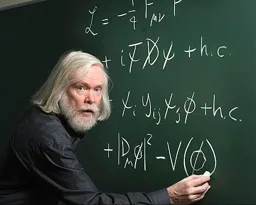
Plenary talk – CERN: Opening Particle Physics and the Higgs Boson to the world
Professor John Ellis (CERN, King’s College London) will be giving a plenary talk as part of the Open Science and Research programme at OKCon 2013 on Tuesday 17 September.
John Ellis is one of the world’s leading theoretical physicists, and also a great communicator. He has been influential in setting CERN’s strategic direction and contributed to the recent discovery of the Higgs Boson.
- 18:45–19:30
Room 4Urban Data Challenge – Panel and vernissage
A 3-city transportation data challenge between the cities of Geneva, Zurich and San Francisco. Co-organised with swissnex San Francisco.
- 19:30–20:00
Free drinks (Room 4)



























Wednesday, 18 September
- 09:00–18:00
HackSpaceDemo and Hack Space
Open space for demos and hacks: work after a workshop, implement an idea from a keynote, write code, finish slides — no formal schedule, an unconference roster at the entrance.
Opendata.chFacilitators - 09:00–18:00
Exhibition SpaceExhibition – LinkedUp
- 09:00–18:00
Room 4Exhibition – Urban Data Challenge
A 3-city transportation data challenge between the cities of Geneva, Zurich and San Francisco. Co-organised with swissnex San Francisco.
- 09:00–13:15
Room 14Workshop – Transports Publics Genevois Sketchaton
- 09:05–09:35
Plenary talk – Jay Naidoo
Jay is the Chairperson of the Global Alliance for Improved Nutrition (GAIN), a global foundation headquartered in Geneva that is committed to addressing malnutrition facing two billion people in the world. He will be giving the plenary talk introducing the Open Development and Sustainability programme at OKCon 2013 on Wednesday 18 September.
- 09:35–10:15
Panel – Open Development
On Wednesday 18 September, Chris Vein will be giving a plenary talk and will be part of a high-level panel discussion with Jay Naidoo, Chairperson of the Global Alliance for Improved Nutrition (GAIN), as part of the Open Development and Sustainability programme at OKCon.
- 10:15–11:15
Main StageTalks – Travelling the open road: open knowledge and sustainability in developing states
Talks:
– #OSSOL: Open Systems Solutions for Peace and Sustainability (Stephen Kovats)
– The Land Portal: Harnessing Open Knowledge and Online Dialogue for Land Governance and Land Rights (Claudia Schwegmann)
– Open Sustainability: saving the Natural Commons with the Creative Commons (Jack Townsend) - 10:30–11:15
Room 13Short talks – Open Technology and Research
Talks:
– Bringing the Open Source revolution to Open Data (James Smith)
– dat: if git was designed for tabular data (Max Ogden)
– Open Science (Kamila Markram)
– Leveraging open scientific data using R (Karthik Ram)
– IATI Datastore beta launch (Simon Parrish, Bill Anderson) - 10:30–11:30
Room 8Workshop – Follow the Money
We want to see a world in which citizens are able to hold decision-makers to account for the use of public money, using information about where it comes from, how it’s spent and what results it delivers, to drive improvements in service delivery and accelerate progress against poverty.
To this end, ONE and the Open Knowledge Foundation want to support and strengthen the community of activists and advocacy organisations pushing for the transparency that is needed if citizens around the world are to be able to follow the money (for further details, see this blog post).
We invite organisations with an interest in working together to enable citizens to follow the money to come along and share their insights.
- 11:45–13:15
Main StageTalks – Building a Cultural Commons & Open Humanities Awards ceremony
Talks:
– #AllezCulture: creating a new commons (Jill Cousins)
– Small museum collections and open data (Nicole Beale)
– Open Culture at the Heart of the University: Libraries as Cultural Commons and Cafe (Anna Gold)
– Feedback from the Monday OpenGLAM Switzerland workshop (Maarten Brinkerink, Sarah Stierch, Beat Estermann)
– 13:00 Open Humanities Awards ceremony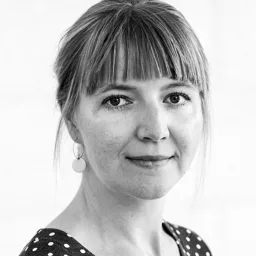 Merete SanderhoffModerator – Statens Museum for Kunst Copenhagen
 Jill CousinsExecutive Director, Europeana Foundation
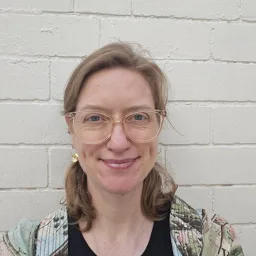 Nicole BealeUniversity of Southampton
 Anna GoldCalifornia Polytechnic University
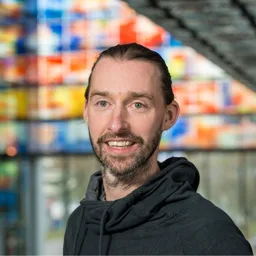 Maarten BrinkerinkNetherlands Institute for Sound and Vision
 Sarah StierchWikimedia Foundation
 Beat EstermannBern University of Applied Sciences
- 11:45–13:15
Room 13Cross-disciplinary panel – Data-driven campaigning
The aim of this panel is to present successful stories from Civil Society Organizations making data-driven impact on policymaking. We will discuss possible ways and challenges of pushing campaigns around data by a moderated talk with speakers from different regions and different experiences in influencing the decision-making process.
- 11:45–13:15
Room 7Panel – Build a Better Transparency Technology Project: Lessons from the TAI mentors
A handful of experts were picked from around the globe by Transparency & Accountability Initiative to help civil society organizations successfully design and launch new technology projects. Diverse organizations from four continents were mentored, and in the process, the mentors discovered common challenges and solutions for implementing transparency projects. Learn how to avoid common roadblocks and organizational challenges (within your group or your government) and leave with a set of strategies for successful projects.
The TAI mentors have advised and worked with 10 civil society organizations with wide-ranging projects, over the last five months. By September, they’ll have case studies from each of the client organizations and sharp insights on common challenges faced and what worked to get around those challenges. As a mentor cohort, we’ve realized that whatever a civil society project is trying to open—from makeup safety data on an app, to reporting HIV medication outages in rural East Africa, to providing intuitive interfaces for parsing budget data, the lessons from TAI mentor’s experience can be applied by those seeking to launch new transparency or open data projects.
- 11:45–13:15
Room 8Workshop – How Linked Open Data (LOD) supports Sustainable Development & Climate Change Development
- Florian Bauer, Operations & IT Director, Renewable Energy and Energy Efficiency Partnership (REEEP)
- Jens Laustsen, Technical Director, Global Buildings Performance Network
- Martin Kaltenböck, Managing Partner, Semantic Web Company
This session gives an introduction & overview on how Linked Open Data (LOD) can push and support sustainable development and climate change development. Along real world examples by The Renewable Energy and Energy Efficiency Partnership (REEEP, with data.reegle.info or api.reegle.info) and the Global Buildings Performance Network (GBPN, with www.gbpn.org) it will be showcased how these organisations (both NGOs) already use Linked Open Data (LOD) principles and technologies to reach their objectives in sustainable development as well as how this approach supports their vision of knowledge sharing and transparency. In addition to this the Semantic Web Company (SWC) – working in a lot in LOD projects in the field of sustainable development – will provide a short introduction into Linked Open Data (LOD) principles, benefits and best practises.
The workshop will be managed in the form of A) 3 short introductionary presentations (REEEP, GBPN, SWC) followed by B) 3-4 Lightning Talks and C) an open discussion with the experts and the audience.
This session should help interested organisations and individuals to learn more about the benefits and potentials of Linked Open Data (LOD) for sustainable development and climate change development and invites people to discuss use cases & ideas, principles and first steps, bottlenecks and/or pitfalls in the use of Linked Open Data (LOD) to support the respective goals together with the panelists.
Post-event update: please find here a workshop summary with links to all of the slides, additional reading regarding Linked Open Data and a Q&A page for further collaboration.
- 14:45–16:00
Main StageTalks – Data-driven storytelling (supported by Pro Helvetia)
Talks:
– Exposing the invisible: investigative tools & techniques for journalists and activists (Maya Indira Ganesh)
– News You Can Use. Now Data Makes News Personal Again (Justin Arenstein)
– Data Journalism For All Newsrooms, Big and Small (Irene Jay Liu)
– Sharing Lessons for Infomediaries. The Case of Mexican Farm Subsidies Data (Federico Ramírez Corona) - 14:45–16:00
Room 13Workshop – The role of Open Knowledge and Data in supporting decision making in International Development
This session will explore how open knowledge and data can support evidence based decision making in addressing development problems at local, national, and international levels. We will look at how a theory of change can help to understand how open knowledge, data, and processes might influence the outcomes of development.
What can the open development community learn from other sectors which could contribute to positive social change. Is openness always positive? – in which situations might openness lead to increase risks/harm to particular communities and individuals.
- 14:45–16:00
Room 4Workshop – Open transport data: the next step
At the Open Knowledge Festival in 2012, the Open Knowledge Foundation’s working group published the Open Transport Data Manifest together with the EPSI platform. Taking these statements as a start, it should now be possible to extend the manifest with the next step(s) needed in order to make all transport modes interoperable.
- 14:45–16:00
Room 7Workshop – Open Finance and OpenSpending
Talks:
– CERN Institutional Data – collecting, opening, visualizing spending data (Jiri Kuncar)
– Insights in Global Public Spending (Michalis Vafopoulos)
– Open Finance in Switzerland: examples of open budget apps and our plans for the future (Matthias Stürmer)
– Using open budget data to create meaningful stories (Victoria Vlad)
– Collecting and Analyzing Local Government Financial Disclosures (Marc Joffe)
– Freeing, Speaking and Visualising Financial Transaction data (Simon Redfern) - 16:00–17:00
Room 8Presentation & meetup – Apps for Europe
- 16:30–17:00
- 17:00–17:30
Plenary talk – Five Guaranteed Ways to Squander the Open Government Partnership Opportunity
Rakesh Rajani is the Head of Twaweza (‘we can make it happen’ in Swahili), a ten year initiative that connects information, citizen agency and public accountability in East Africa. He will give a plenary talk as part of the Open Data, Government and Governance programme at OKCon on Wednesday, 18 September.
- 17:30–18:00
- 18:00–18:30





















Read the original announcement
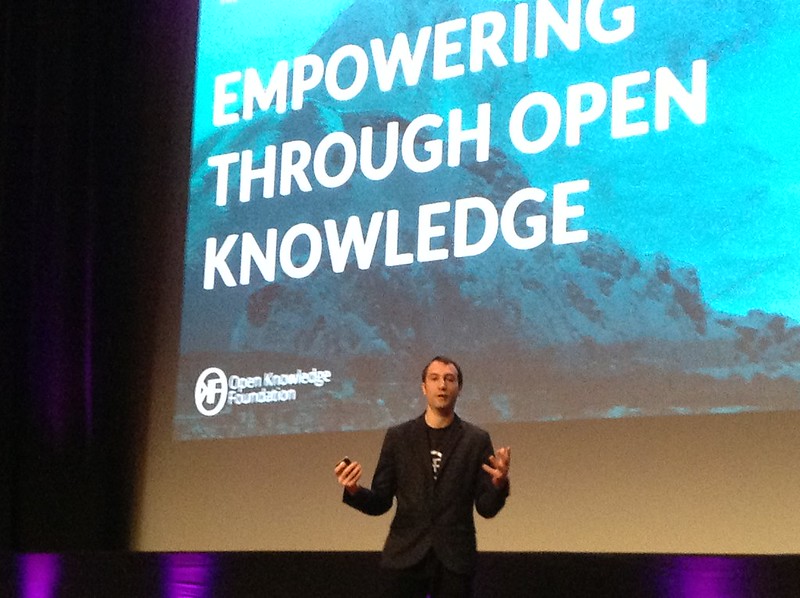
 From 16 to 18 September Geneva became the hub of the global open data movement: with more than 900 registered visitors from over 45 countries, the Open Knowledge Conference 2013 was a success on every level. The world’s most important open data event of the year prompted more than 15,000 posts on Twitter, became a “trending topic” as far away as Washington and also met with a strong response in the national media. NZZ and Tages-Anzeiger, SonntagsZeitung and TagesWoche, 24heures and SRF were there and reported extensively.
The Swiss highlights certainly included the launch of the OGD pilot portal of the Federal Administration, as well as an impressive breadth and depth of expert contributions from institutions in Bern, Zurich and Geneva, not least the UN and CERN. The contributions by Ellen Miller and Jay Naidoo also attracted great international attention.
Jay Naidoo was one of Mandela’s companions and, as his communications minister, played a decisive role in shaping the framework conditions for the rapid growth of mobile telephony in Africa. Today he fights malnutrition and corruption, two closely intertwined evils.
In his summary, Naidoo talks about his impressions of OKCon: “These are young digital warriors. They are connected. Their weapon is the internet. Their enemy is corruption. And they are here to bring a revolution of ethics into the 21st century.” – but his talk itself is even more impressive:
Note 2026: this recording no longer survives – Livestream.com deleted its archive. Ten talks from 18 September were preserved by the Internet Archive and are linked in the programme.
Ellen Miller, head and co-founder of the transparency organisation doing pioneering work in the US, the Sunlight Foundation, provided another highlight – the content of her presentation spread around the world in no time via Twitter, Facebook and the live stream. Miller spoke of the fundamental political challenge she tackles with open government data, and of the crucial importance of the topic, which is far more than an IT or efficiency issue: it is not about “e-government” but about “we-government”!
Along with many other video recordings, Ellen Miller’s talk is already online:
Note 2026: this recording no longer survives – Livestream.com deleted its archive. Ten talks from 18 September were preserved by the Internet Archive and are linked in the programme.
Representatives of Opendata.ch, which organised the event together with the international Open Knowledge Foundation, said they were overwhelmed by the days around the conference: the decisions in Bern, the launch of opendata.admin.ch, the extensive media coverage and the intense conference in Geneva moved their cause forward by great and decisive steps in a short time.
André Golliez, President of Opendata.ch, noted:
“With OKCon 2013, open knowledge is developing in Switzerland too into a strong socio-political movement that is spreading into all areas of public knowledge production and use: into public administration, public-sector companies, the media, as well as science, education and culture.”
Hannes Gassert, Vice-President of Opendata.ch, added:
“OKCon 2013 was not only the world’s most important open data event of the year, but also a milestone for open data – in Switzerland as well as for the global movement. The topic is firmly established at the United Nations in Geneva, in federal Bern and in the Swiss media. As an organisation, Opendata.ch is now tackling the next challenges greatly strengthened.”
While in Geneva the World Bank launched an extensive partnership for open data in developing countries, Bern was anything but standing still: following the adoption of the Riklin postulate two weeks ago, which calls for a master plan for open government, the National Council yesterday evening, 23 September 2013, also dealt with the Graf-Litscher motion, which calls for three concrete measures to open up the federal government’s datasets, and approved it. The item now goes to the Council of States, where it is expected to be dealt with in the winter session.
Accordingly, there is little time to pause and look back on this great success: in Switzerland too, the open knowledge movement has now picked up full speed. The first milestone is behind us, but this is only the beginning. Switzerland’s open government data strategy has to be defined, further events – such as the Open Data Zurich Hacknights – are coming up, and a multitude of stories wants to be written. At stake is nothing less than the future nature of the information society, nothing less than a contemporary interpretation of transparency and participation.


