Why Climate Data Matters
- Data Literacy
15 March 2021, 17:30–19:00 @ Online
On 15 March 2021, around 125 people met online to discuss why climate data matter. The webinar was part of the Data Café, Opendata.ch’s programme on data literacy, and was made possible by the Mercator Foundation Switzerland. Vera Eichenauer moderated; Kathrin Dellantonio (myclimate) spoke about personal and corporate carbon footprints, Regula Hess (Q_PERIOR, foraus) about climate data in finance and Carla Gross (FOEN) about Switzerland’s climate indicators. Dr Bjarne Steffen (ETH Zurich) had to cancel at short notice.
Between the talks the audience voted: most see the state as primarily responsible for the climate crisis, almost two thirds did not know whether their pension fund invests sustainably — and nearly all thought it should. The panel turned to transparency and standards in climate data, citizen science and open alternatives to commercial databases. The recording is on YouTube.
Photos
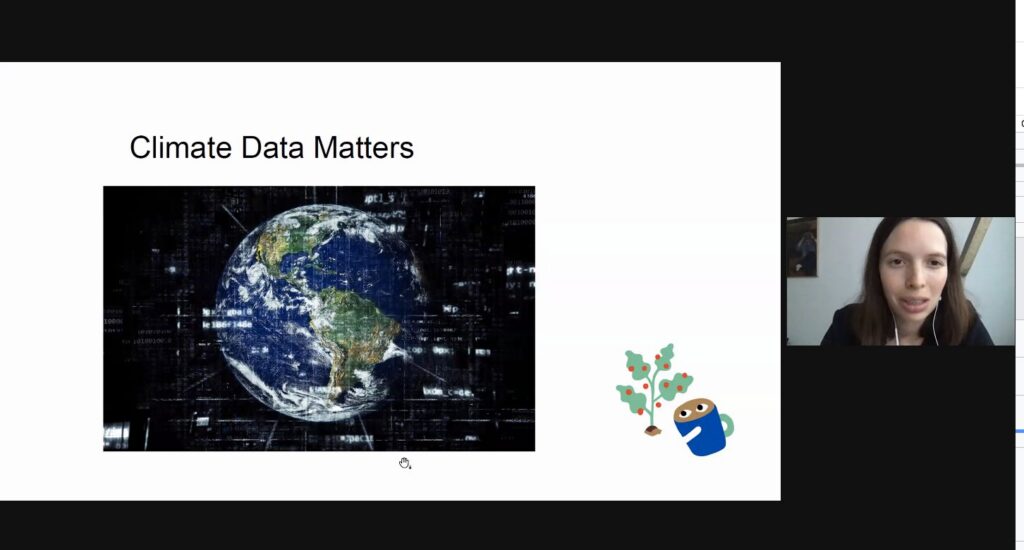
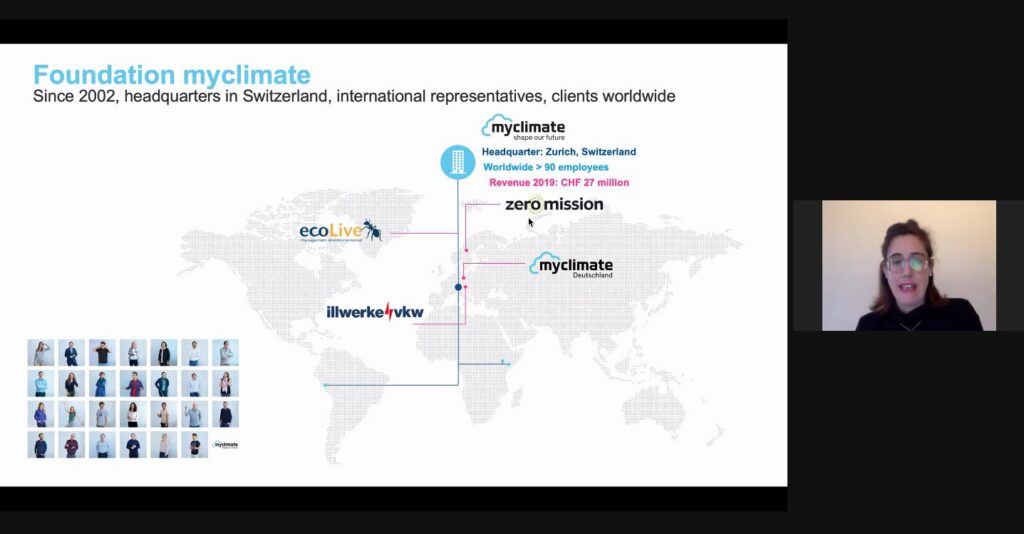
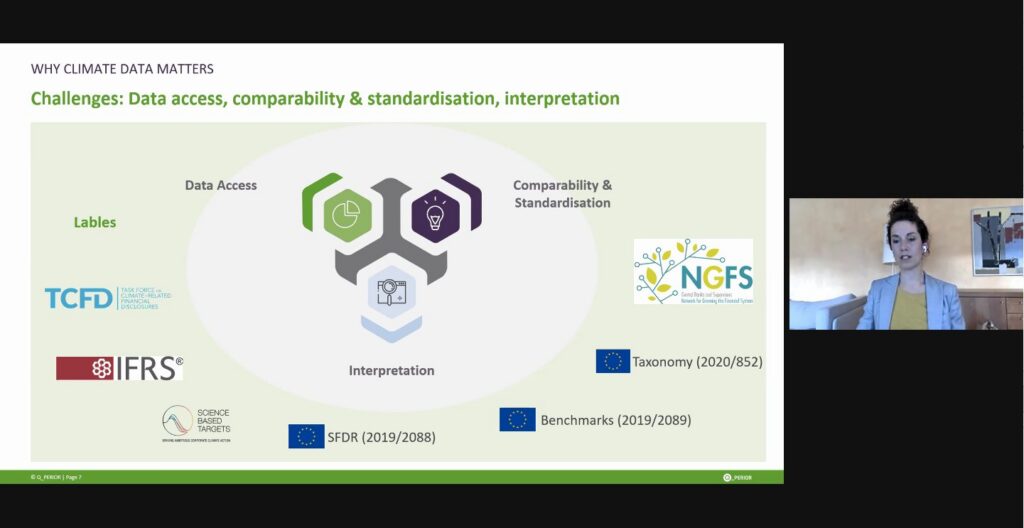
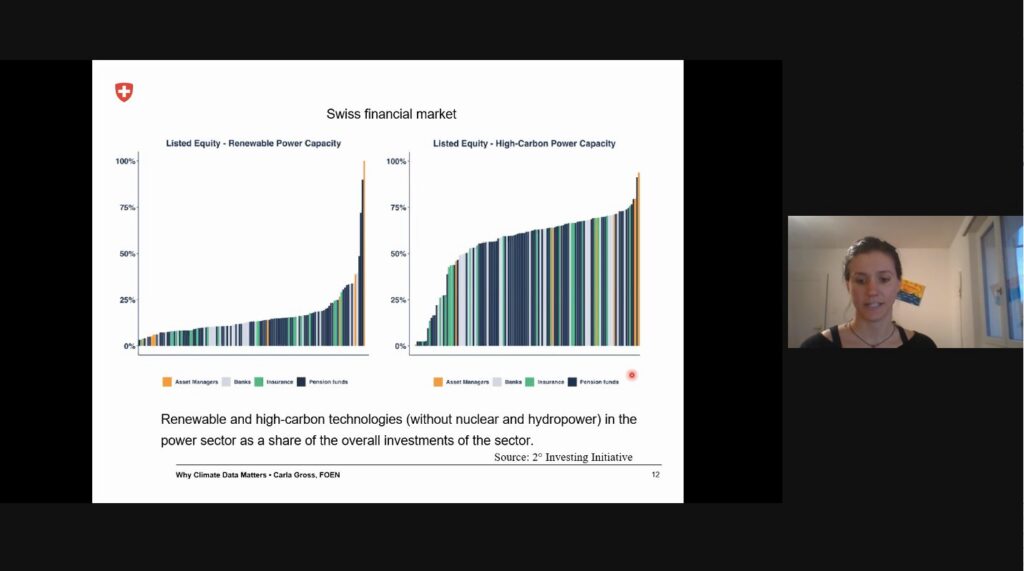
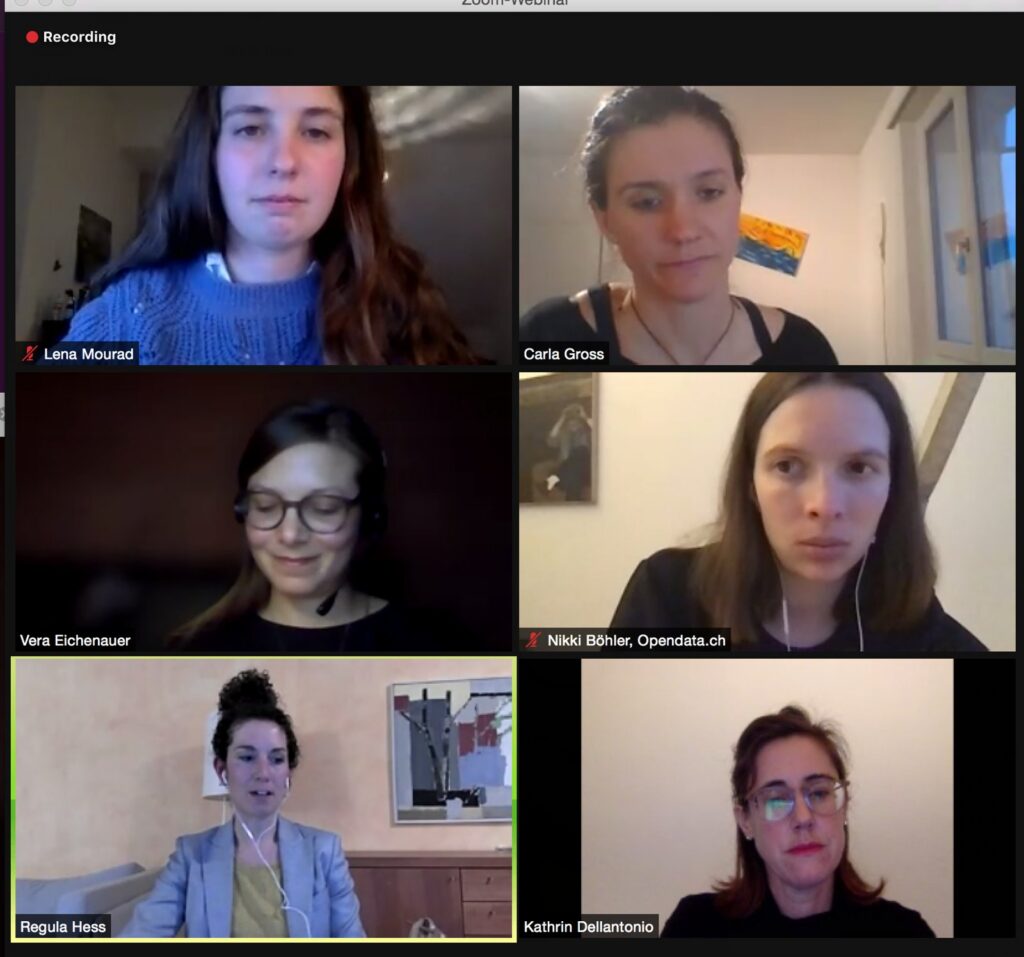
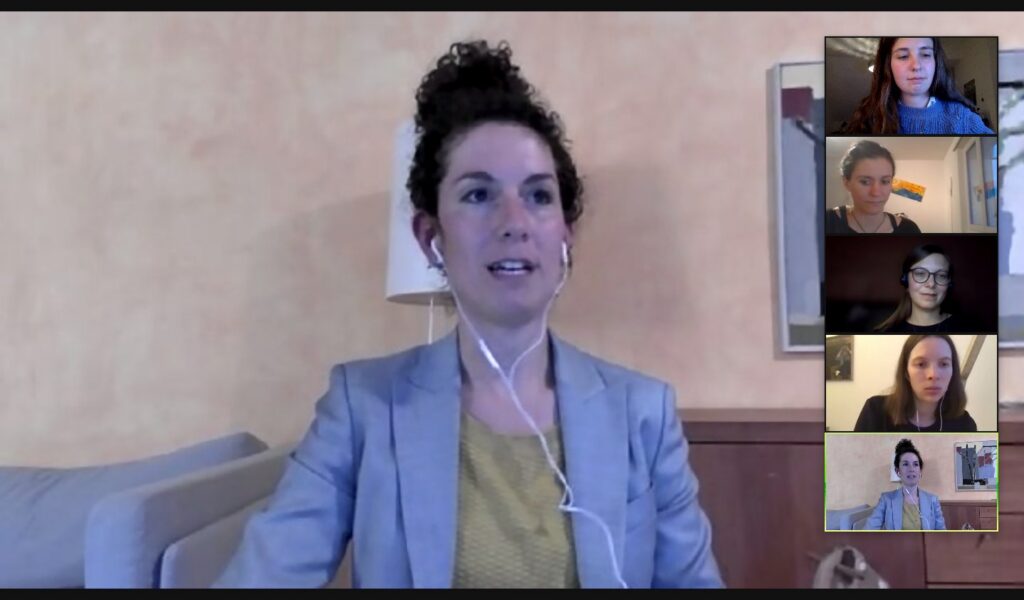

Photo: Opendata.ch
Documentation and recordings
Programme
- 17:30–17:35
- 17:35–17:40
Poll: who is responsible?
Who is primarily responsible for tackling the climate crisis? 62 of 89 respondents named the state (regulation, subsidies), 16 individuals, 11 companies. What have you changed because of climate change? Most often: eating less meat (76), flying less (72), voting Green or Green Liberal (59).
- 17:40–17:55
Knowing your carbon footprint
How myclimate calculates the emissions of people, companies, products and events (CO₂ equivalents, life-cycle assessment) and measures reductions in climate protection projects. The message: you can only manage what you know — know your footprint, reduce as much as you can, offset the rest, and do not let the complexity scare you off.
- 17:55–18:15
Climate data in finance
«What can’t be measured, can’t be managed»: financial decisions rest on data, and without climate data climate change is irrelevant to them. Regula Hess showed which risks the data capture (direct, supply-chain, political and market risks) and where it falls short: access, comparability and standardisation, interpretation. The poll alongside: 54 of 85 did not know whether their pension fund invests sustainably; 71 of 85 think it obviously should.
- 18:15–18:35
Switzerland’s climate indicators
What federal data establish: warming (MeteoSwiss), its impacts (FSO, Swiss TPH) and the course of Swiss greenhouse gas emissions against the targets of the Paris Agreement — the basis for justifying measures and reviewing whether targets are met. Plus the biggest levers for individuals: mobility, holidays without flying, consumption, and one’s own investments.
- 18:35–18:50
Panel and questions from the audience
Among other things: are crowdsourced and citizen-science data usable for research and financial markets? How transparent are commercially traded climate data? Are there open alternatives to the ecoinvent life-cycle database? What data would people like from the cantons? What would make politics and companies more ambitious? 27 questions came in through the Q&A, along with pointers to open data such as the French government’s Base Carbone and the CH2018 climate scenarios.
- 18:50–19:00